ServicesDental Insurance
Dental Insurance in Dunedin
We compare dental plans from multiple carriers and show you how each one pays for cleanings, fillings and crowns. You see the waiting periods, annual maximum and network before you enroll, so the first claim holds no surprises.
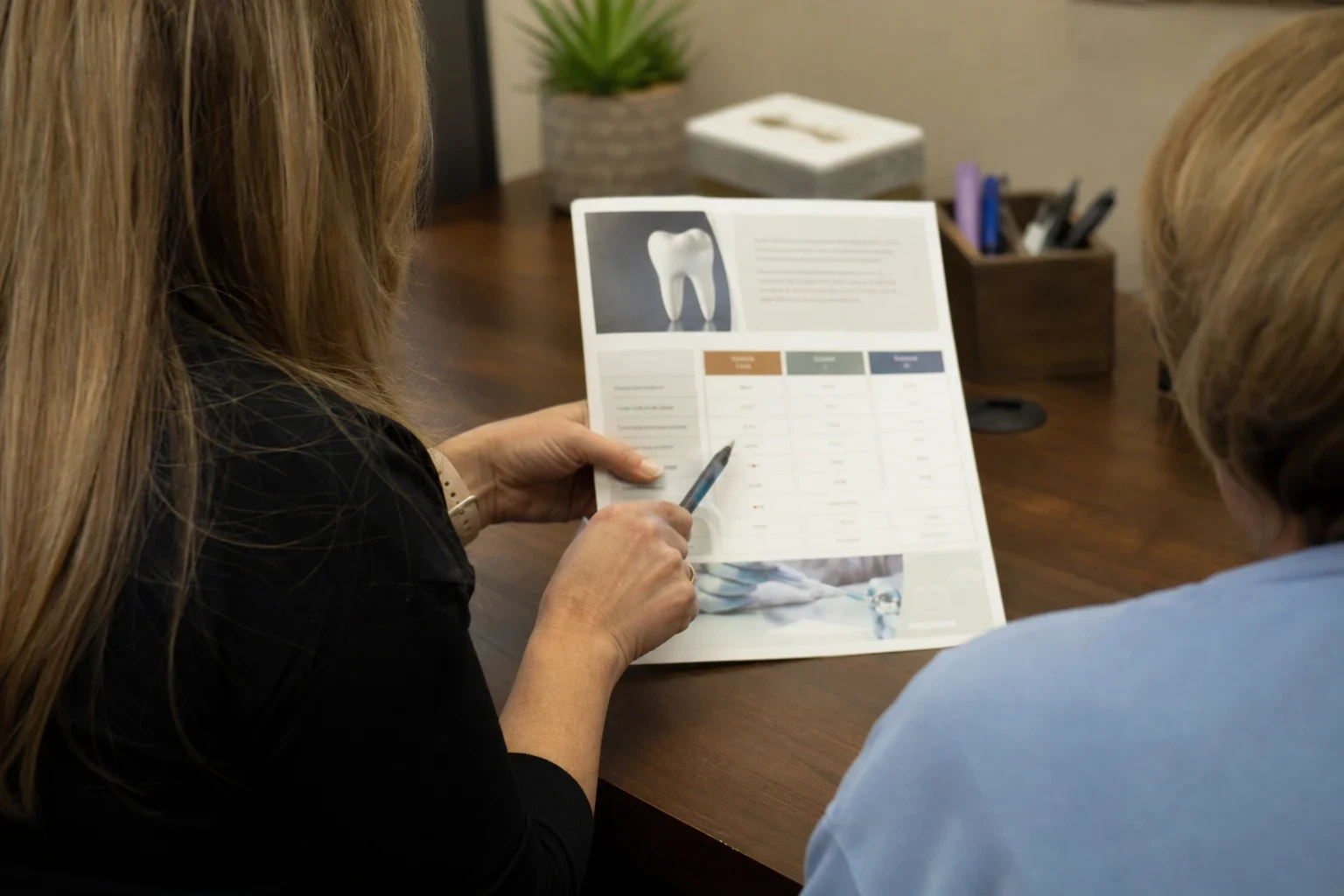
How a dental plan pays out
Dental plans usually group care into three levels. Preventive visits such as exams, cleanings and routine X-rays are often paid at or close to 100 percent. Basic care like fillings and simple extractions tends to be paid at a smaller share, and major care such as crowns, bridges and root canals at a smaller share again. Every plan also sets an annual maximum, the most it pays in a plan year, and that limit carries more weight than people tend to think.
For adults, dental is normally bought apart from medical coverage. Dental care for children counts as an essential health benefit under the ACA, so a marketplace plan may already offer it, and we confirm that before recommending anything more.
We focus on the parts of a dental policy that lead to problems down the road: waiting periods, limits on how often care is paid, and the gap between an in-network fee and an out-of-network bill. Our review is free to you. The carrier whose plan you choose pays our commission, so you never get a bill from us.
What we cover when we compare dental plans
Network check for your dentist
We confirm whether your current dentist is in each plan's network. In a PPO, an in-network office agrees to a discounted fee, while an out-of-network office can bill you the difference between its charge and what the plan allows.
PPO versus DHMO
A DHMO usually has a lower premium and set copays but requires you to use an assigned dentist. A PPO costs more and lets you choose. We lay out which tradeoff fits the work you expect.
Waiting periods and maximums
Many plans delay coverage for basic or major work for several months after enrollment. We put each plan's waiting periods and annual maximum next to each other so you can see when a planned crown would actually be covered.
Frequency limits and downgrades
Plans limit how often they pay for cleanings or bitewing X-rays, and some pay a tooth-colored filling at the lower rate of a silver one. We point out these clauses before you pick a plan.
Claim and EOB guidance
After you enroll, we help you read your Explanation of Benefits and understand why a line was paid, reduced or denied. We explain the carrier's process and what records it asks for, but the carrier makes the final call.

When a dental plan review makes sense
- A crown or root canal is on the horizon
- If your dentist has flagged a crown, a root canal or an aging filling that needs replacing, the waiting period on a new plan sets the date that work becomes covered. Learning the timeline early leaves you more choices.
- Your bills keep exceeding the maximum
- Some plans cap annual benefits at a level one crown can nearly use up. If you hit the cap every year, a plan with a higher maximum may be worth the added premium.
- You left an employer plan
- Losing workplace coverage often means losing dental too. We compare individual plans so your cleanings and checkups do not lapse.
- Claims come back reduced and you do not know why
- A smaller payment often traces to a downgrade, a frequency limit or an out-of-network fee. We read the EOB with you and explain which clause applied.
- Your kids need coverage
- Children's checkups, sealants and fluoride add up. We check whether pediatric dental is already in your medical plan or whether a separate policy makes more sense.
How a dental plan review works
- 1
A short conversation
We meet over video, on a phone call or in person at our office. First we learn whose teeth need coverage, which dentist you see now and whether any work is already scheduled.
- 2
We pull plans from multiple carriers
We gather dental plans available to you and check each one against your dentist's network and the procedures you mentioned.
- 3
Side-by-side comparison
You see premium, deductible, coinsurance by tier, waiting periods and annual maximum in one view. We explain why one plan might cost more per month but less over the year.
- 4
Enrollment
Once you choose, we help complete the enrollment and confirm the effective date so you know when coverage starts.
- 5
Help when claims arrive
If a claim looks wrong, we walk through the EOB, explain the code or clause involved and outline how to ask the carrier for a review.
What drives the cost of dental coverage
Dental premiums range more widely than people assume, and the lowest monthly price does not always mean the lowest cost for the year. Your total depends on how the plan is built and how much work you expect to need. We lay it all out so you can weigh the tradeoff for yourself.
- Type of plan
- A DHMO usually carries a smaller premium and set copays, with a limited list of dentists. A PPO costs more and gives you more choice, including some coverage out of network.
- Yearly maximum
- A bigger yearly limit means a bigger premium. That added cost usually pays off only when crowns, bridges or other large work are likely.
- Waiting periods
- Plans with short waits, or no wait, before paying for crowns and root canals generally charge more each month.
- People on the plan
- Each spouse or child you add increases the premium, and some carriers also factor in age.
- Deductible and coinsurance
- When the deductible is lower and the plan pays more of basic and major work, the premium goes up, but your bills at the dentist go down.
Common questions about dental coverage
- If I already need a crown, will a new plan pay for it?
- It might, but a lot of plans hold off on major work for a waiting period that can run several months or more. Some also refuse to pay for replacing a tooth you lost before the policy started. We read those terms in every plan before you sign up, so the timing is clear.
- What separates the deductible from the annual maximum?
- One is where your share starts and the other is where the plan's share stops. The deductible is a set amount you pay on fillings, crowns and similar work before coinsurance begins, and many plans skip it for exams and cleanings. The annual maximum is the most the carrier will pay for you in a plan year. After benefits reach it, you cover the rest until the new plan year begins.
- Will I be able to stay with my dentist?
- It comes down to the network, so we search for your dentist in every plan we show you. If the office is out of network, a PPO may still pay part of the bill, but you could be charged the gap between the office's price and the amount the plan allows.
- Is it worth getting a predetermination from my dentist?
- For bigger procedures, it usually is. A predetermination of benefits tells you ahead of time what the carrier plans to pay. It is an estimate rather than a guarantee, and we can go over it with you.
- Do you charge for your help?
- No. The consultation is free. The carrier behind the plan you pick pays us, so our review does not raise the premium above what you would pay for that plan on your own.

See your dental options before you enroll
Tell us who needs coverage and what work is coming up. We will lay out plans from multiple carriers so you can compare waiting periods, maximums and networks in one conversation. We also help with vision insurance if you want both reviewed together.